Snow covered mountain towns, Christmas markets and cobblestone streets are an ideal image of the holiday season, and Bavaria in Southern Germany captures that essence as best as anywhere in the world. We had the opportunity to travel to Bavaria over the holiday season of 2023 and it was a perfect experience. We based ourselves in downtown Munich and split our week’s stay between day trips outside of the city and wandering the historic German city– none of it disappointed.
Itinerary:
Over the course of our seven days, we tended to do one day in the city, one day out.
Day 1: Arrival; stroll through old town Munich
Day 2: Nymphenburg Palace, Olympic Park, Christmas markets
Day 3: Salzburg, Austria
Day 4: World War II walking tour of Munich; Dachau
Day 5: Bamberg/ Rothenburg ob der Tauber
Day 6: Zugspritze
Day 7: City Walk, National-Socialism Documentation Center Museum, Englischer Gardens
Day 8: Departure
Munich
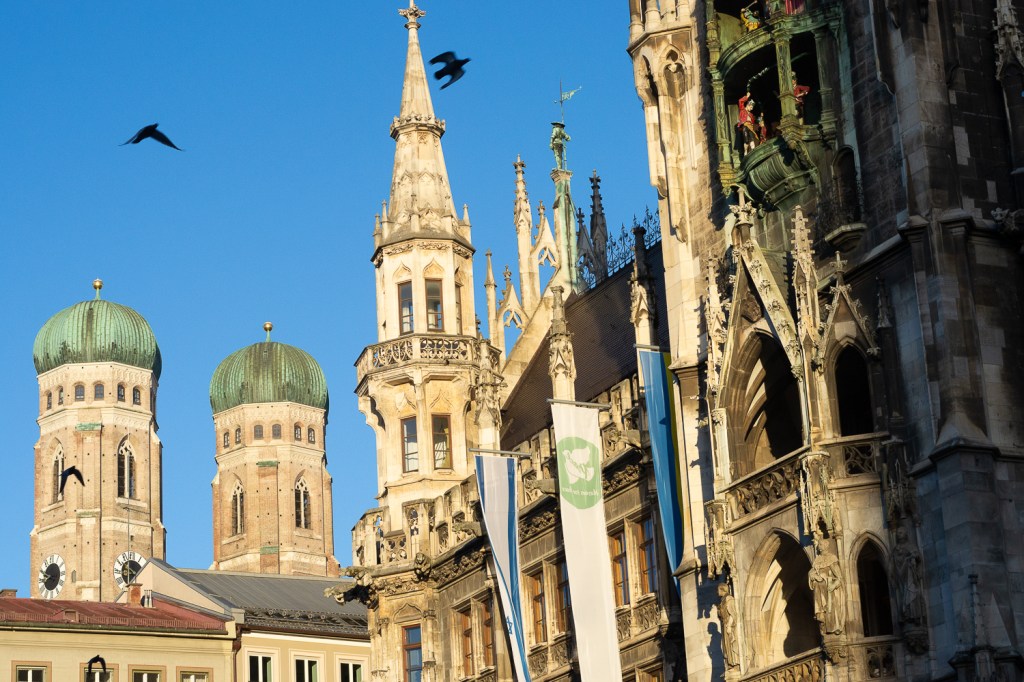
Munich itself is an easily navigable city – pleasantly walkable, but public transportation can get you both to/from the airport and around the greater Munich area efficiently.
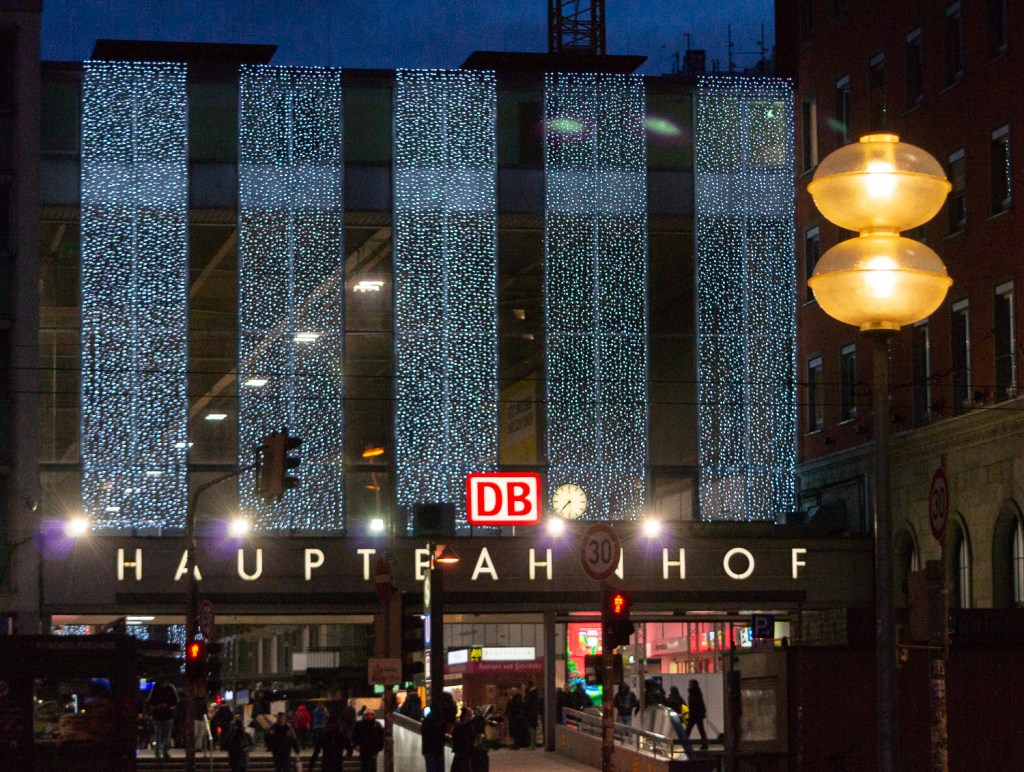
We stayed about 2 blocks from one of Munich’s main train stations, Munchen HBF. This choice made all of our travel, both in and outside of Munich, much easier. Our hotel was about a 20-minute walk from the old town, where we spent plenty of time walking, revisiting it many evenings.

Munich Highlights:
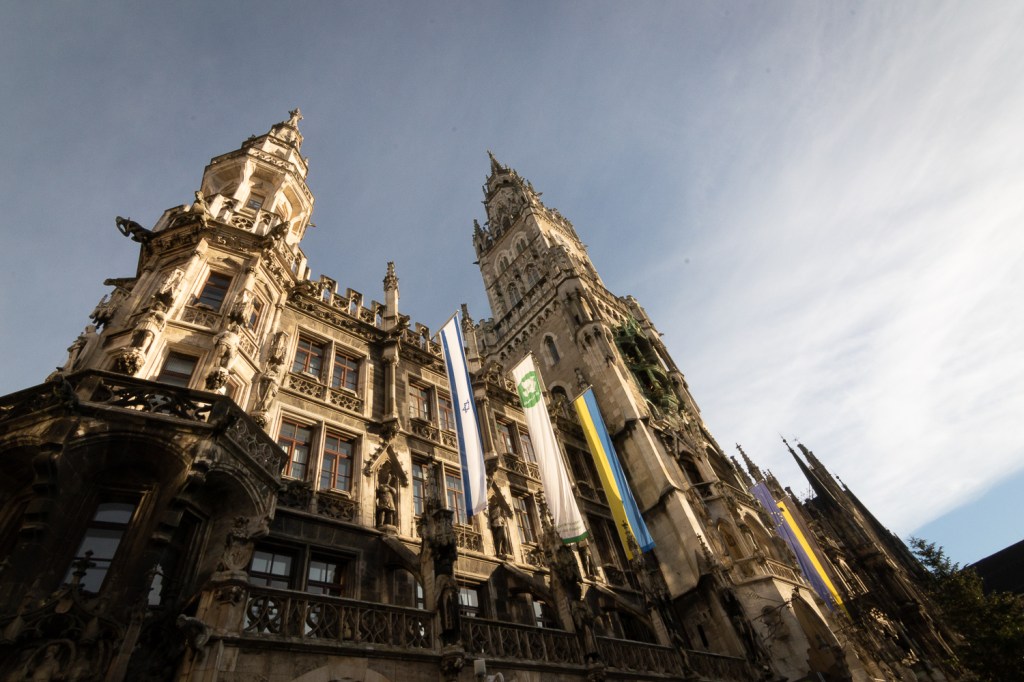
Munich’s old town was central to our time in Munich. Easily accessible by walking or public transport, markets, restaurants, coffee shops and old buildings and cathedrals offer mazes to wander through with an atmosphere similar to other European old towns, and the holiday energy elevated the experience. We found ourselves revisiting the area almost daily. Many of the cathedrals and churches have open doors and are worth a brief visit. Marientplatz, the town square in the shadow of the gothic New Town Hall, is a great place to simply stop and absorb your surroundings. A quaint market with foods and items is also located nearby. The amount of time you spend here is dependent on how much you like to wander, but the old town is undoubtedly inviting.
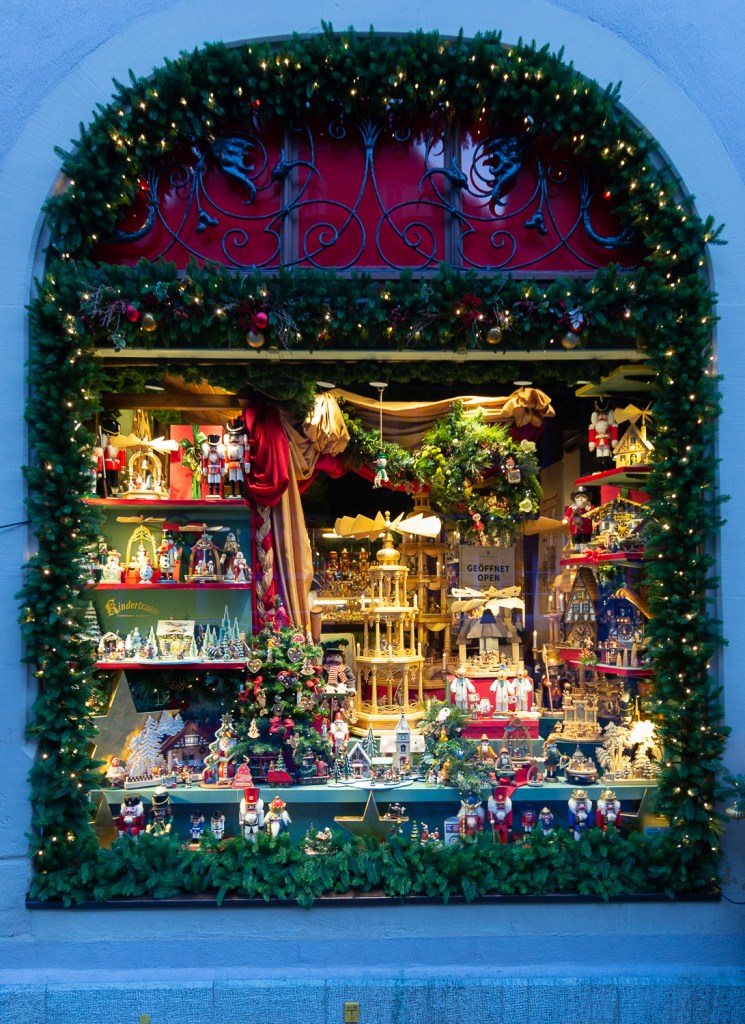
One note: many of the Christmas markets in Munich close on 12/24. We arrived on 12/25. We still made it to a few, but in spite of the lack of open markets, the season remained evident everywhere.


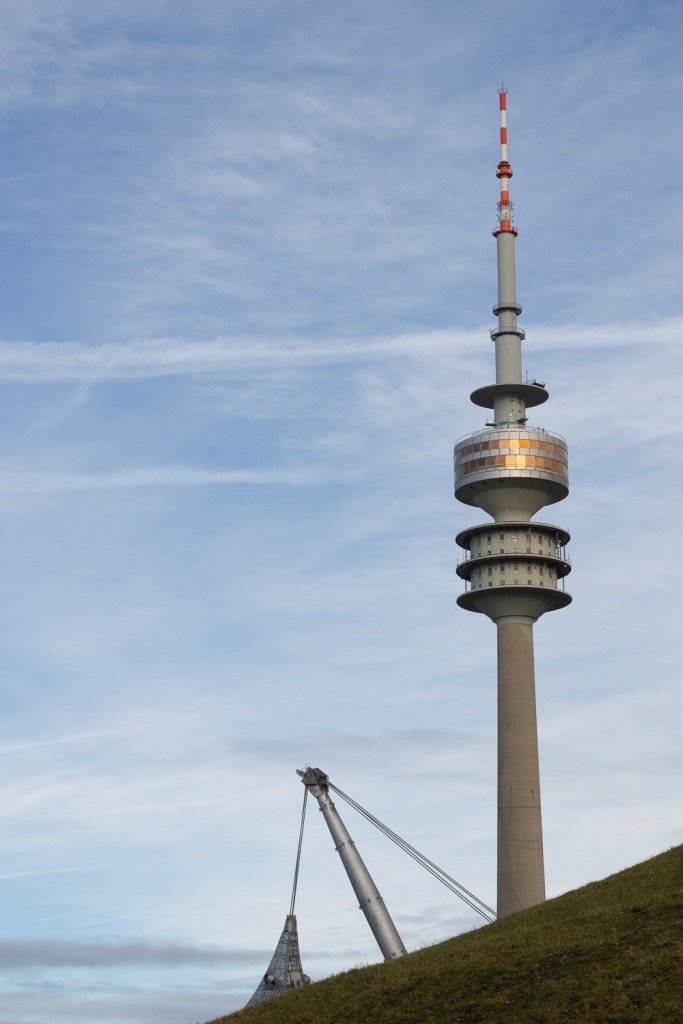
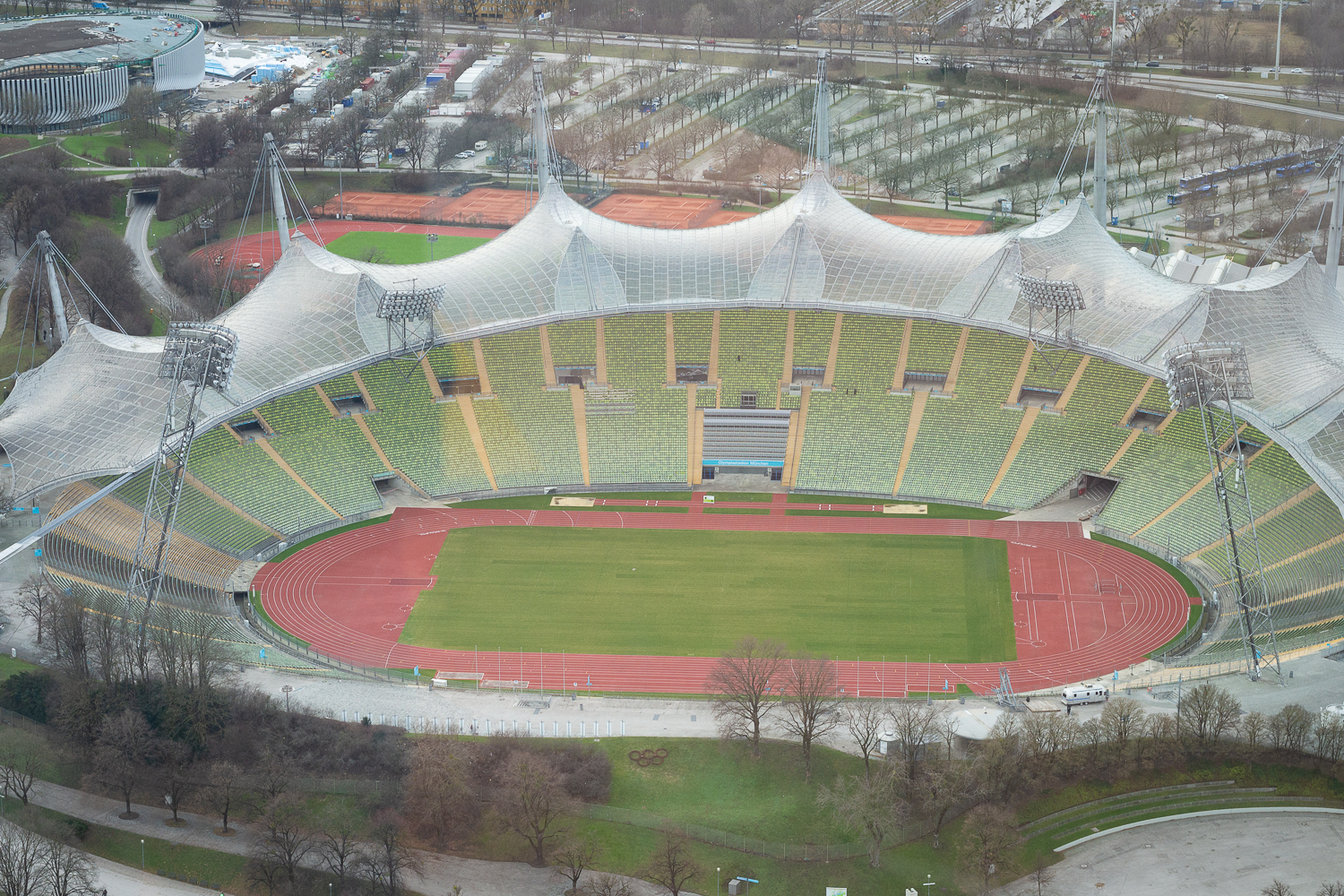
The Olympic Park, dating from Munich hosting the 1972 competitions, was a fun visit that allowed us to get acquainted with modern Munich. Several stadiums, including the indoor aquatic center, are still in full use. The park also offers one of the highest points in all of Munich to observe the city. The grounds are extensive, but a half day here was enough time for us and it provided a great start to our trip. Located in the south end of the Olympic village was one of the still-open Christmas markets. Full of foods and a bit of holiday spirits, it provided a nice bookend to our time in the park.


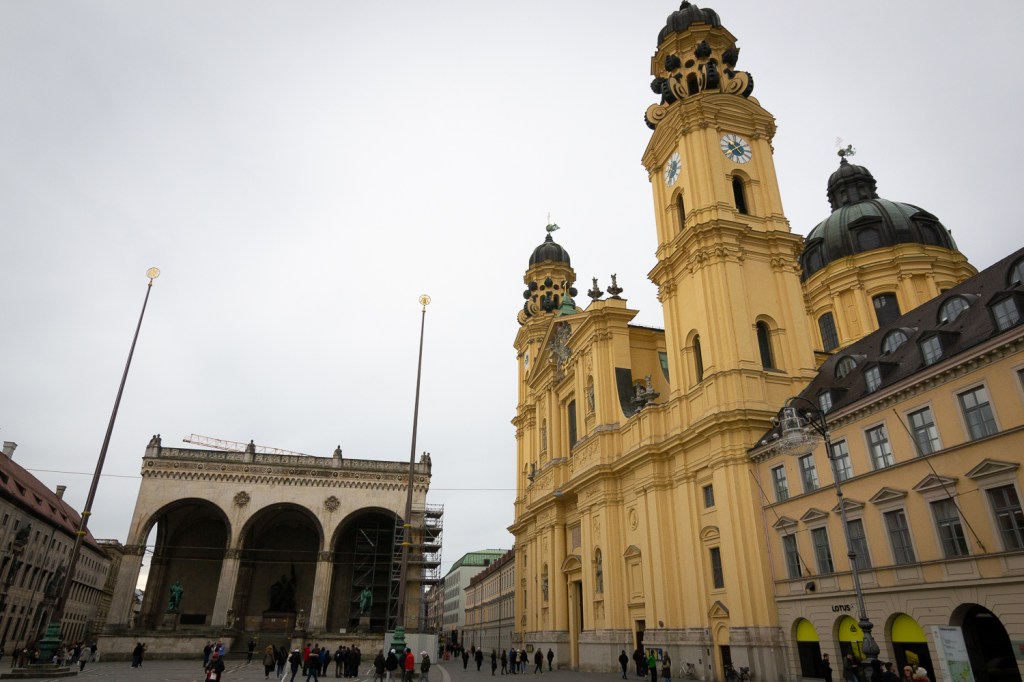
Based out of the old town, our walking tour of Munich’s World War II history was insightful and moving. Lasting about 2.5 hours, our guide took us through the old town, providing historical information and tales only a Munich resident could provide. The tour was like walking through a documentary. Though the tour covered a lot of dark history, if you even have a passing interest in World War II, you should strongly consider this opportunity.
We coupled our WWII walking tour with a trip to the Dachau Concentration Camp. Located about 30 minutes from the Munchen HBF (using both train and bus), this visit was challenging and moving. Much of the camp’s buildings have been rebuilt, but the main building houses a museum that could easily take several hours to absorb. The rest of the grounds are open, and quite expansive. It may be obvious, but it is important to note that a visiting a place like this is emotionally exhausting. This was easily a half-day visit, including the commute.
We spent our last full-day in Munich again wandering the old town, before heading back to a World War II Museum we were told about in our walking tour.


The National-Socialism Documentation Center is several floors, detailing the rise of National Socialism in Munich and Germany in order to keep it from happening again. The museum was created in part to have Germany face its past, and the museum is similar in its emotional weight to other Holocaust museums we have been to. Throughout the floors of the museum, you walk through a timeline of events from long before the start of WWI. The depth and detail of the information is incredible and can become almost overwhelming. We had planned on a short visit, but ended up staying several hours.


The Englischer Gardens, a green space as large as Central Park in New York, was a pleasant counter balance to the heaviness of the museum. We enjoyed the beautiful walking paths with food and beer stands dotting the grounds. However, the main show was surfers (!) riding the 2 Eisbach waterfall waves of the small river at the south end of the park. This was an unexpected site on a late December day in a major European city.


About the only place we went that we wouldn’t feel the need to recommend was the Nymphenburg Palace. To be fair, we simply walked the grounds and did not enter the palace itself. That said, in the winter, there was not much to see on the grounds.
Day Trips
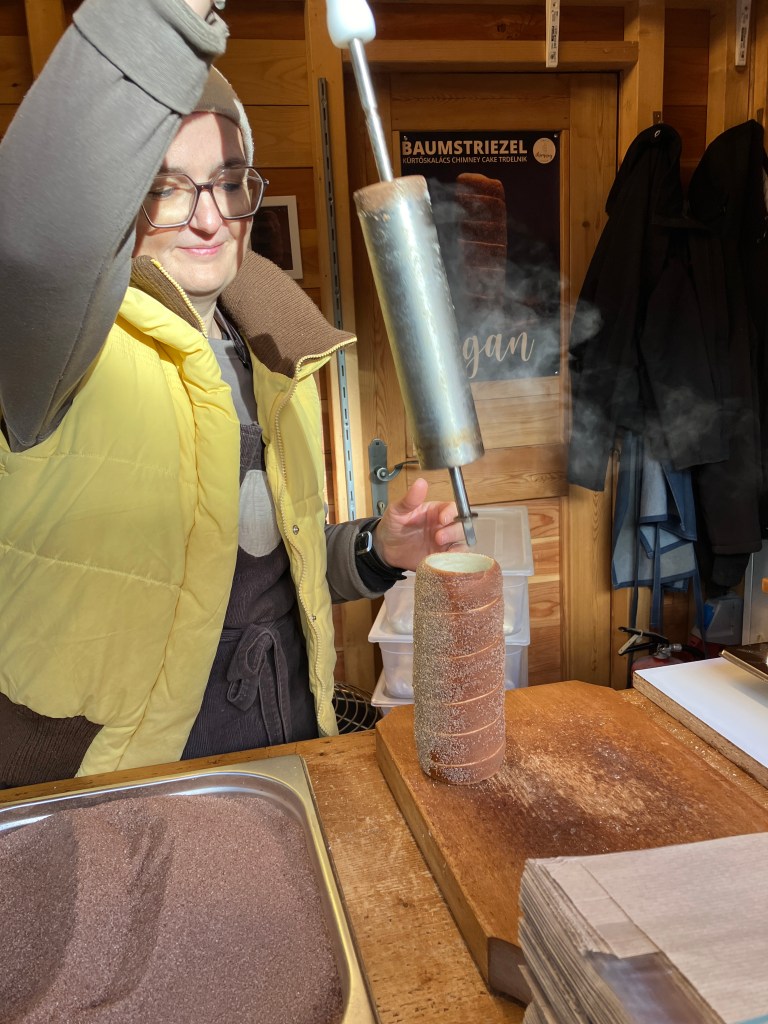
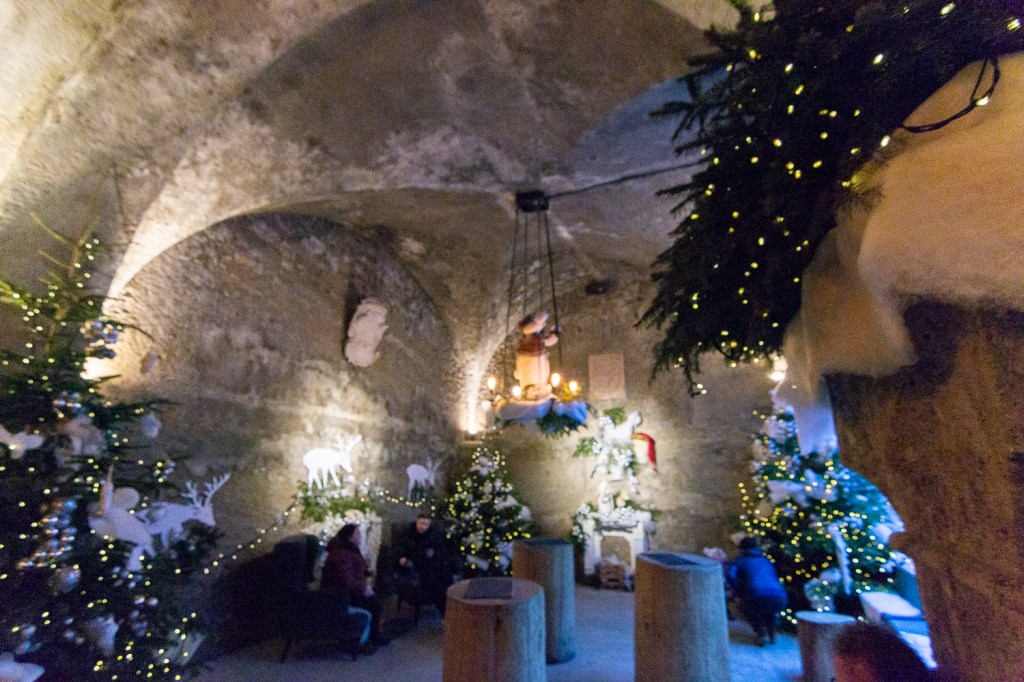
Located less than two hours by train in the Alps, Salzburg made for a perfect day-trip. Upon arrival, we made our way directly to the old town and simply wandered the vast majority of it, enjoying their Christmas markets, atmosphere, snacks (Hungarian Chimney Cakes!) and food.



Despite not having a particular destination in the city, we spent time in two of their larger Christmas markets, popped into the Salzburg Cathedral and appreciated the festive mountain town. We spent the better part of a day here, all of it in the old town. Though Salzburg did not reach the highs we have felt in other old towns, we have no regrets about visiting.


Bamberg/Rothenburg ob der Tauber:
For this day trip we made the choice to rent a car (expensive, but it allowed us to see two towns rather than one). Each of the towns are a little over two-hours north of Munich. Driving the highways was a breeze.
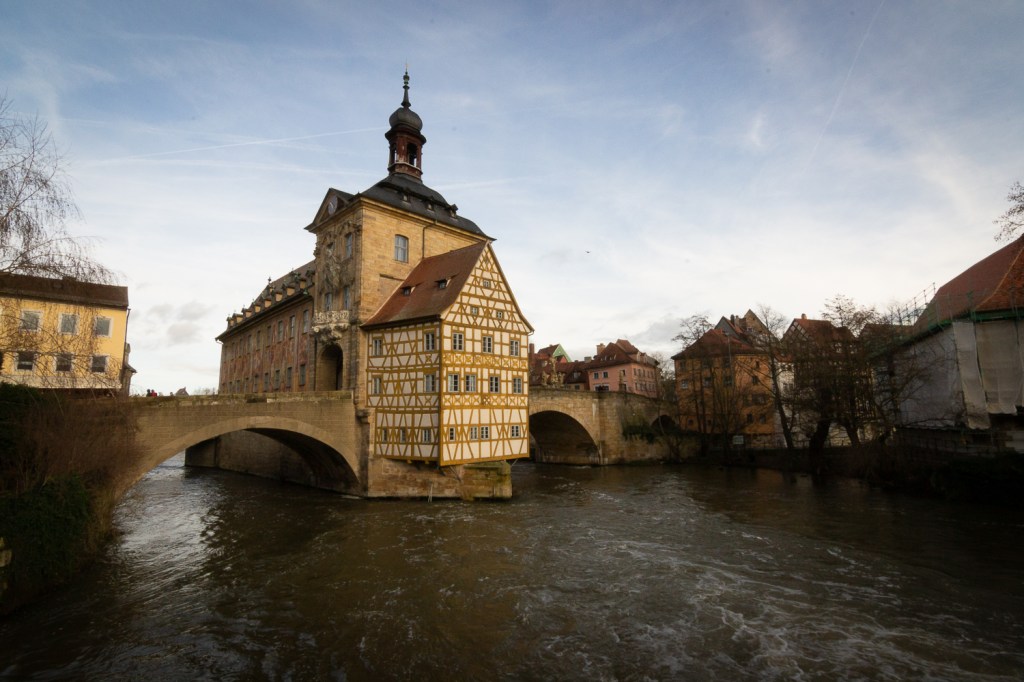
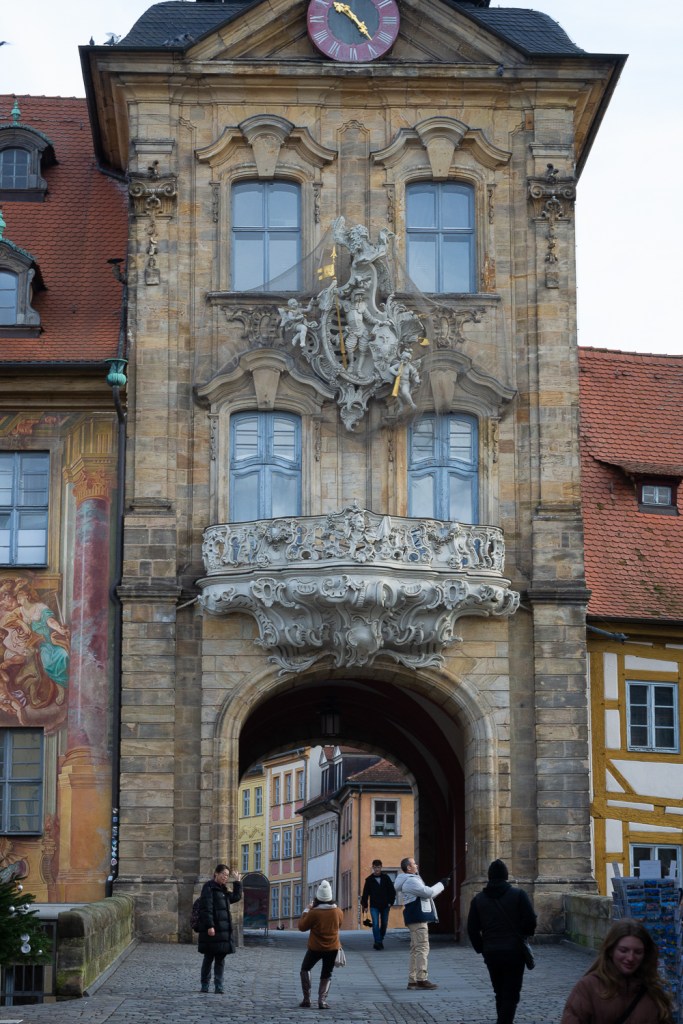
Bamberg, the first of the two medieval towns we visited, dates from the 9th century. Many of the old buildings remain (this town did not go through major rebuilding after WWII) and are situated along a river that divides the town. Easily walkable, we strolled around for several hours, grabbing pastries and coffee. Bamberg’s historic areas felt incredibly authentic, making it easy to visualize how it felt hundreds of years ago before cars were moving along the streets. Definitely a town worth visiting to soak in the atmosphere, and had we not gone to Rothenburg later in the day, this may have been our favorite old town we have visited.


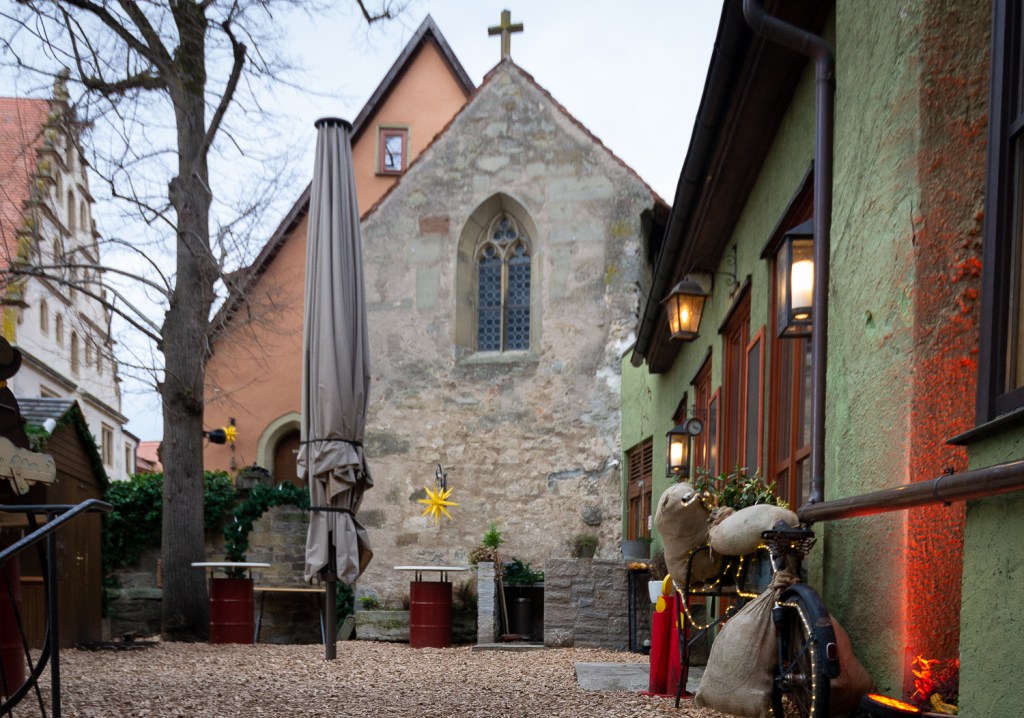
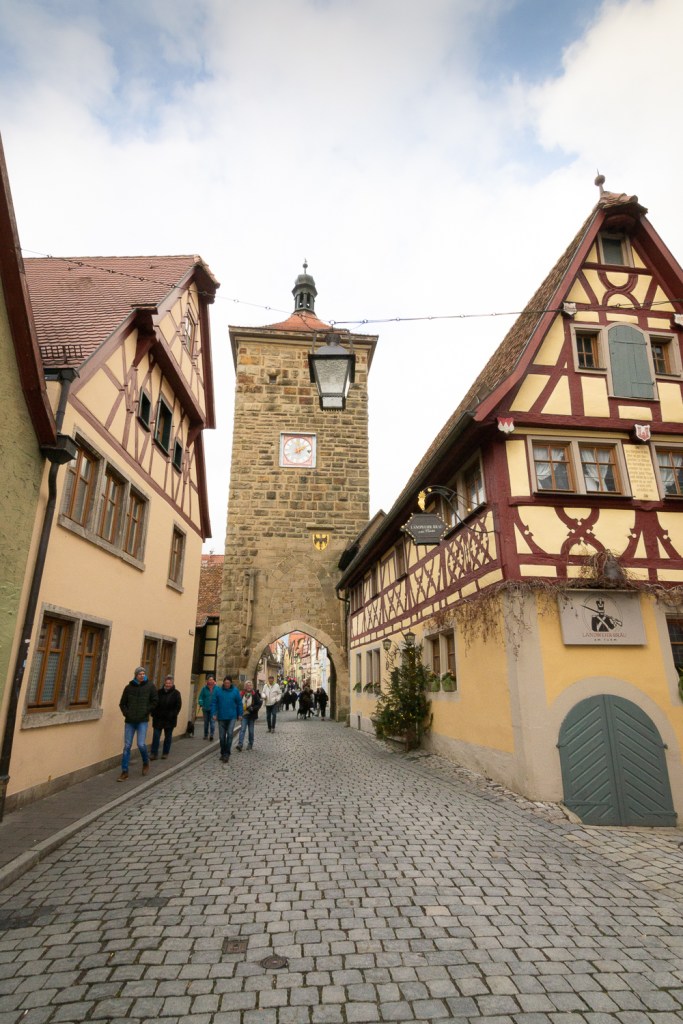
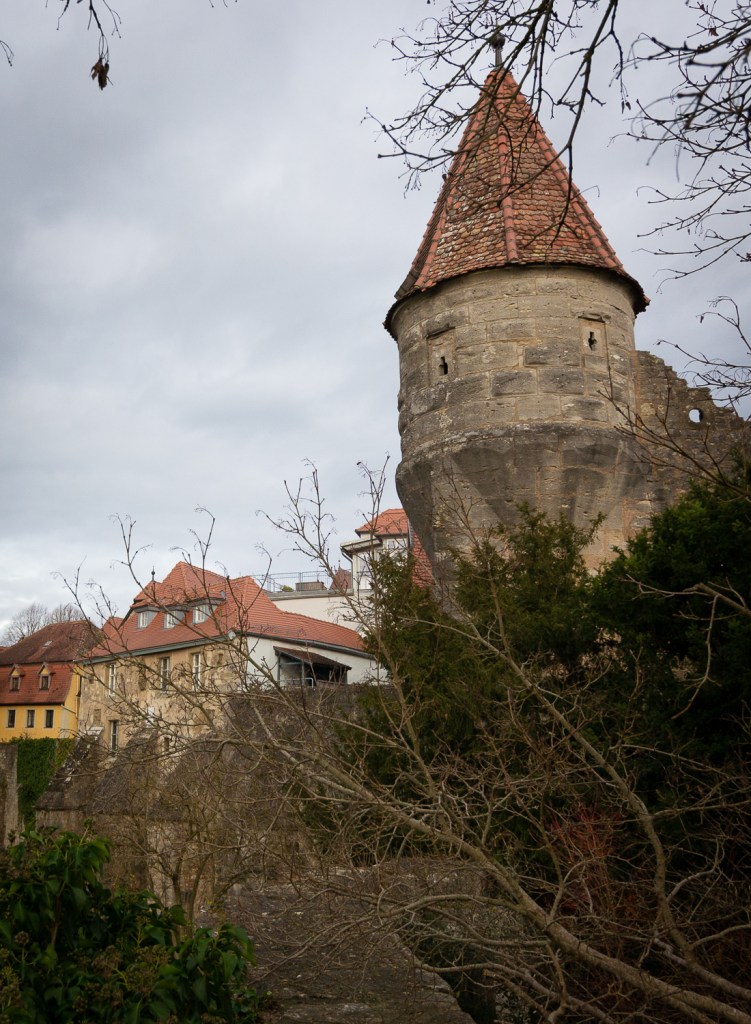
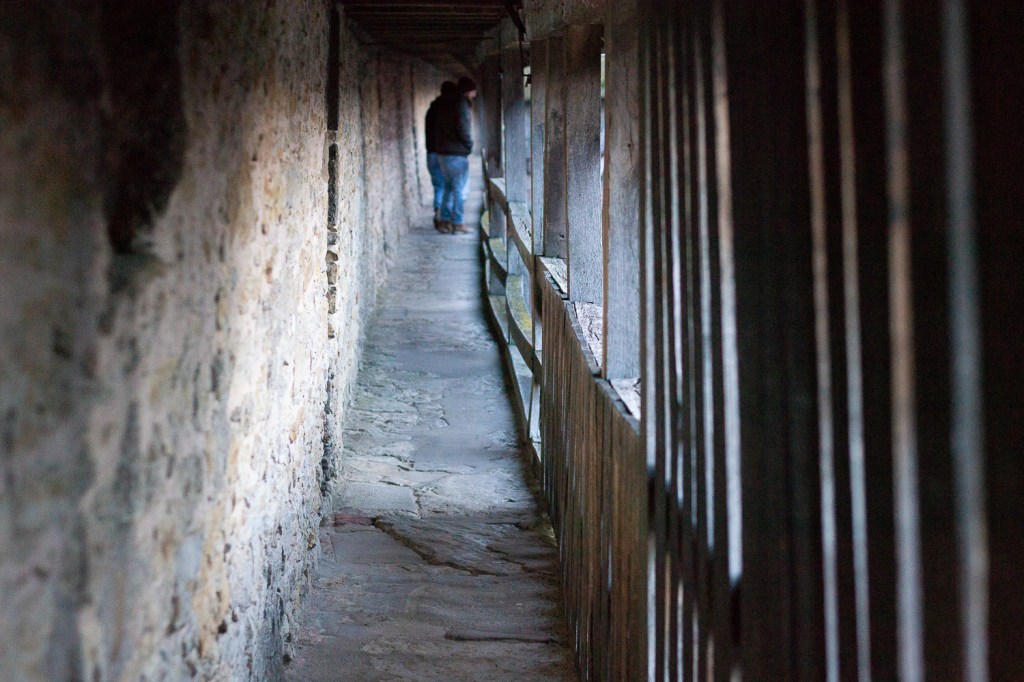
Despite having been massively damaged during WWII, Rothenburg ob der Tauber (about a 1.5-hour drive from Bamberg) was simply indescribably amazing. We have not visited another old town that felt like you simply jumped into a fairy tale setting. Having been mostly rebuilt following WWII, Rothenburg is full of pastel -colored buildings, an old (and walkable) city wall, and rolling farmlands below the hills of the city – this was one of most unforgettable towns we have walked. A solid half-day minimum is need to cover the old town within the city’s walls – it is much larger than we expected. A great variety of stores, restaurants, and coffee shops line the city streets. Though you will encounter some automobiles, the streets are dominated with pedestrians, adding to the overall feel of the town. This town remains one of the highlights of our European travels and should not be missed if in the area.




Zugspitze:
Our last day-trip was a dilemma for us. Should we visit the famous fairy-tale castle, Schloss Neuschwanstein (one of the places that originally sparked an interest in a Bavaria trip for us,) or head to Zugsptize, the highest point in the German Alps? Based on a number of recommendations, we chose the train ride to Zugspitze and were not disappointed with our decision- this was one of the most unique day-trips we have taken.
We left Munich very early in the morning by train to the mountain town of Garmisch-Partenkirchen. From there we bought tickets to catch a connecting train, that brought us to a third, cogwheel, train that climbed for a half-hour within the interior of the mountains. This was all much easier than it sounds and helped to set the stage for when we arrived near the top of the German Alps.
Known for its skiing, once we exited the doors at Zugsptize, we were greeted by the many snow-covered mountains in the Alps range. Our first sights were panoramic views in all directions. There is really no way to accurately describe this sensation.
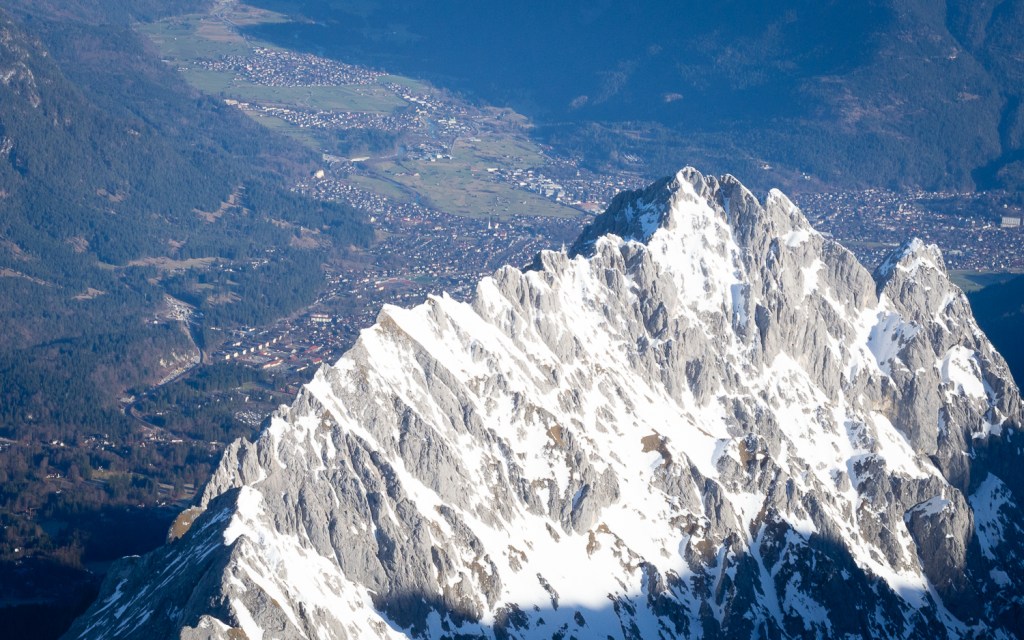
We first stopped for some snacks at the restaurant at the top of the mountain, before catching a cable car that launched us several hundred feet higher to the Zugsptize peak, where we invited to even grander views of the Alps. Though not the highest mountains we have been on, the endless view of the Alps in three directions, and then the farmlands of Germany to our north, this visit was probably the highlight (and most pleasant surprise) of our entire trip. If you have any interest in nature, this trip was a must.

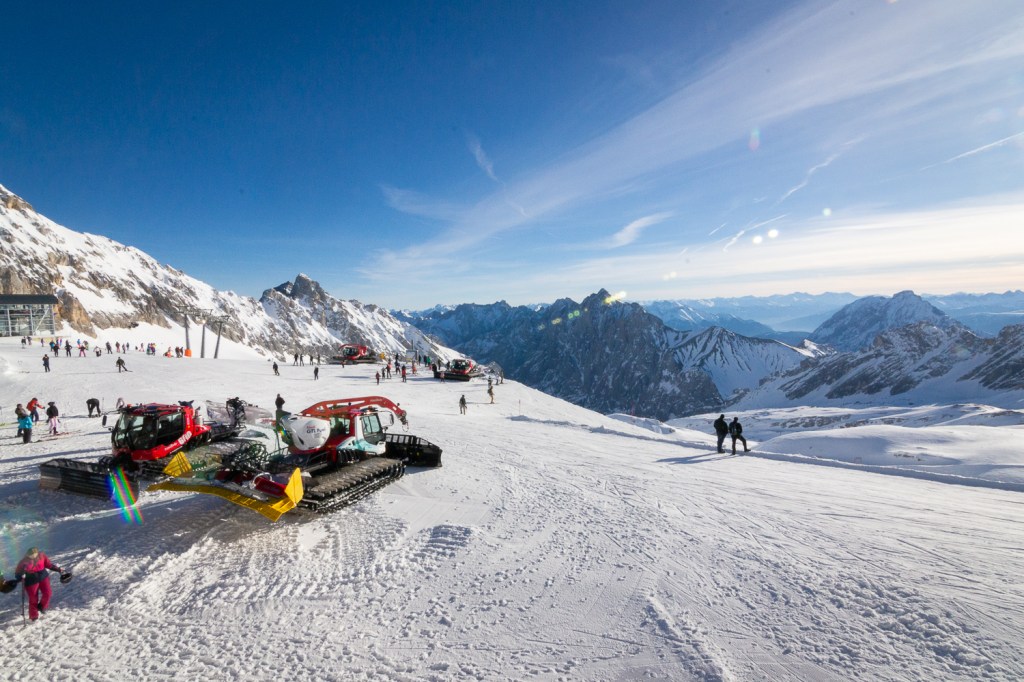
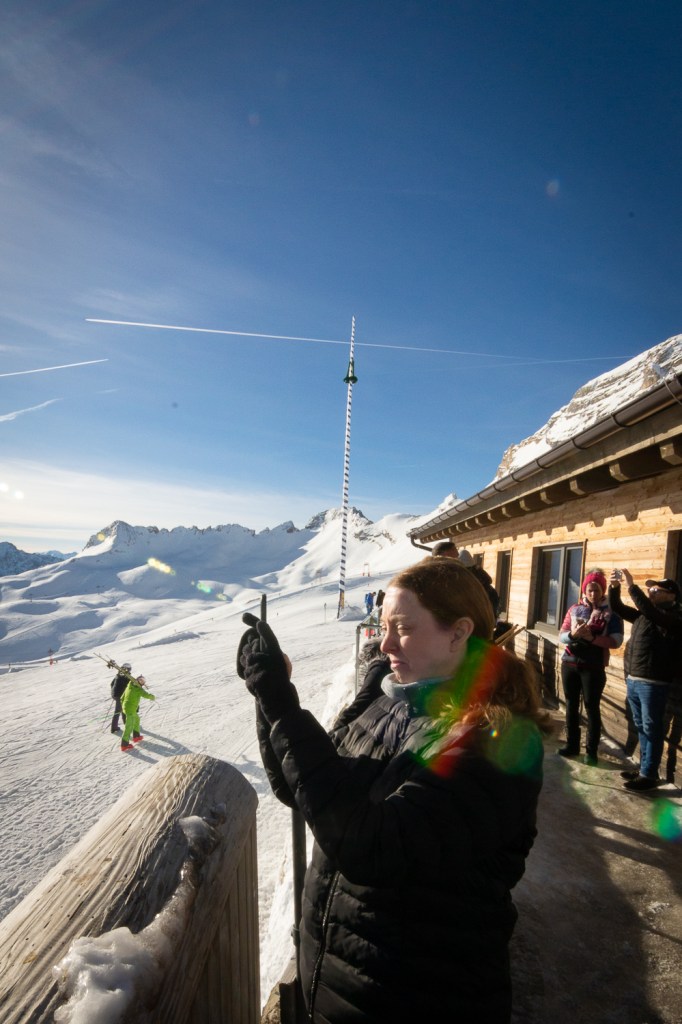
We ended the day as we started, taking the cog-wheel train back down the mountain (we also had the choice of a cable car) and went for a very late lunch in Garmisch. As a whole, the entire day-trip lasted from before sunrise until after sunset, and was simply unforgettable.




Short notes:
The public transportation in Munich/Bavaria is speedy, reasonably price, efficient and on-time. It is worth noting though, that ticketing can be confusing, especially trying to figure out what tickets are needed for what destination. We suggest doing some reading beforehand to develop your knowledge. We were lucky to be staying near a main train station where we had both access to purchasing all of our tickets and information booths to help us better understand the systems.
Schloss Neuschwanstein- This was one of two things (ironically the other being Christmas markets) that first spurred an interest in visiting Bavaria. No doubt the pictures of a castle in the sky are an enormous attraction. We spoke to a number of people who felt the visit was vastly overrated, and were told the castle tour itself was unimpressive. Though we may be forever left wondering if we made a poor decision about not visiting, the Zugsptize experience easily helped to assuage that concern.





 Pics and Places